

In today’s fast-paced digital world, DevOps has become the backbone of modern software development. It bridges the gap between development and operations, ensuring faster delivery and improved collaboration. But now, a new player has entered the game — Artificial Intelligence (AI). The integration of AI into DevOps, often called AIOps, is transforming how teams build, test, deploy, and manage applications. From automating workflows to predicting failures, AI is redefining the DevOps ecosystem.
1. Automating Repetitive Tasks
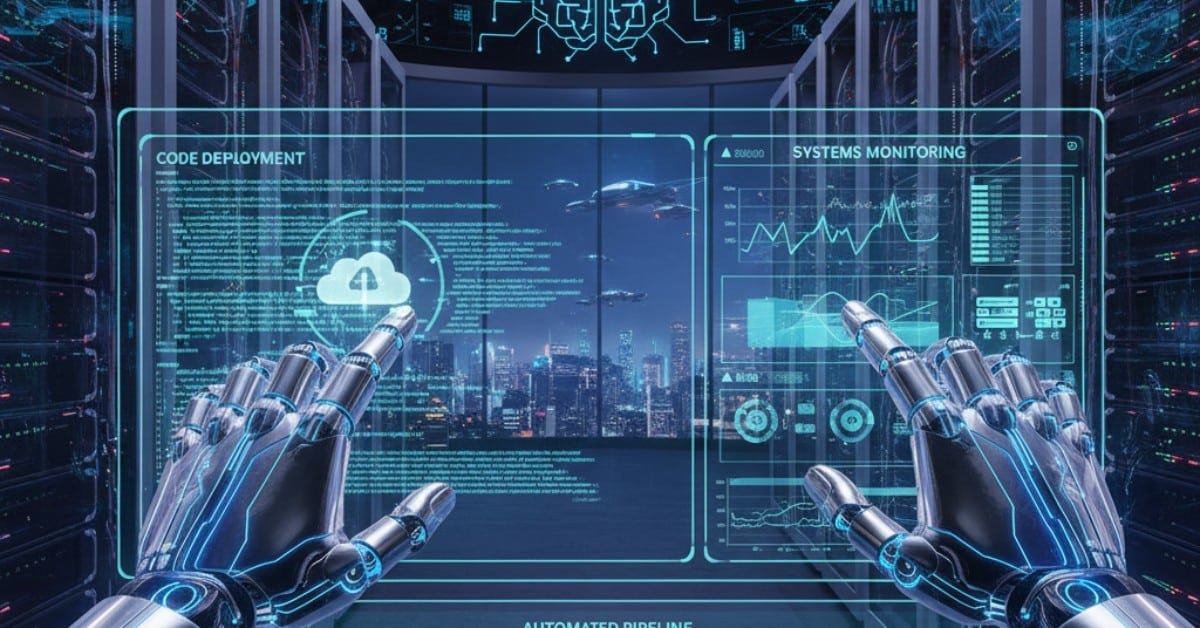
One of the biggest contributions of AI to DevOps is automation. DevOps teams traditionally spend a lot of time on repetitive manual tasks like monitoring servers, managing configurations, or handling deployments. With AI, these processes can be fully automated, saving time and reducing human errors.
AI-powered tools can automatically detect code changes, run tests, deploy updates, and even roll back faulty releases. This allows developers to focus on creativity and problem-solving rather than routine maintenance.
Key benefits:
-
Reduced manual workload
-
Faster release cycles
-
Improved accuracy and consistency

2. Smarter Monitoring and Incident Management
Monitoring infrastructure and applications is crucial in DevOps. AI takes this to the next level with intelligent monitoring that not only tracks system health but also predicts potential issues before they occur.
AI algorithms analyze logs, metrics, and alerts from multiple sources to identify abnormal patterns. This helps DevOps teams respond proactively instead of reactively — minimizing downtime and improving reliability.
For instance, machine learning models can forecast server load spikes or detect security breaches early, helping maintain system stability.
Result: fewer incidents, quicker recovery, and happier users.
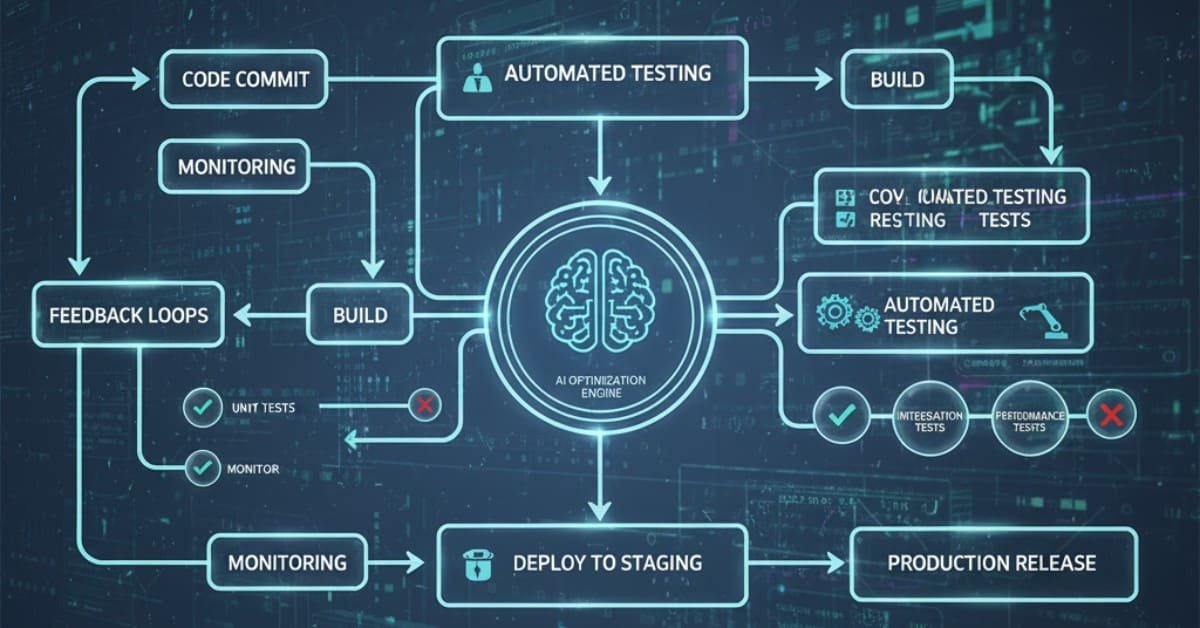
3. Enhancing Continuous Integration and Continuous Deployment (CI/CD)
AI has revolutionized CI/CD pipelines by introducing smarter automation and predictive capabilities. Traditional pipelines often require manual adjustments, but AI can automatically optimize them.
For example, AI can:
-
Predict build failures based on past data
-
Recommend the best test cases to run
-
Optimize deployment timing based on system load
This means smoother pipelines, fewer bottlenecks, and a faster path from code commit to production.
4. Predictive Analytics for Better Decision-Making
DevOps thrives on data — from code performance metrics to deployment logs. But without the right tools, analyzing this massive data can be overwhelming. That’s where AI shines.
AI-powered analytics can process historical data to predict future performance, identify inefficiencies, and guide decision-making. Teams can anticipate infrastructure needs, allocate resources effectively, and prevent issues before they escalate.
With AI, DevOps becomes less about reacting and more about predicting and preventing.

5. Security and Compliance with AI
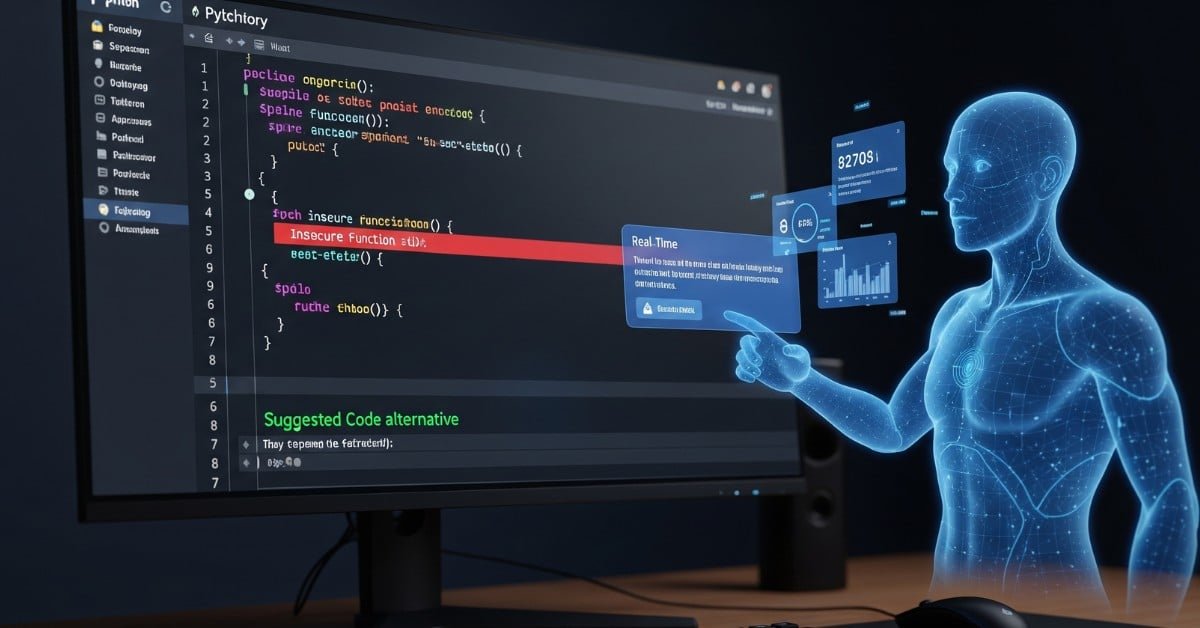
Security is one of the most critical areas where AI is making a difference. Traditional security checks can be slow and inconsistent, but AI can scan thousands of lines of code or configuration files in seconds to detect vulnerabilities.
AI-driven tools can:
-
Identify unusual access patterns
-
Detect configuration drifts
-
Enforce compliance policies automatically
This helps organizations maintain a secure DevOps pipeline, ensuring every deployment is safe and compliant.
Conclusion
The fusion of AI and DevOps is not just a trend — it’s the future. As businesses continue to embrace automation and data-driven decision-making, AI will become a crucial part of every DevOps strategy. From smarter pipelines to predictive analytics and proactive monitoring, AI empowers teams to work faster, smarter, and more securely.
In the coming years, the synergy between AI and DevOps will define how digital transformation unfolds across industries. Those who adopt it early will lead the next wave of innovation.